The Art of the Wedding Greeting
Your wedding day will move quickly; one moment you’re walking down the aisle, the next you’re on the dance floor, wondering where the last six hours went. In between, there’s one thing that matters more than perfectly timed speeches or a seamless run sheet: making your guests feel welcomed.
Start Early: Impressions Matter
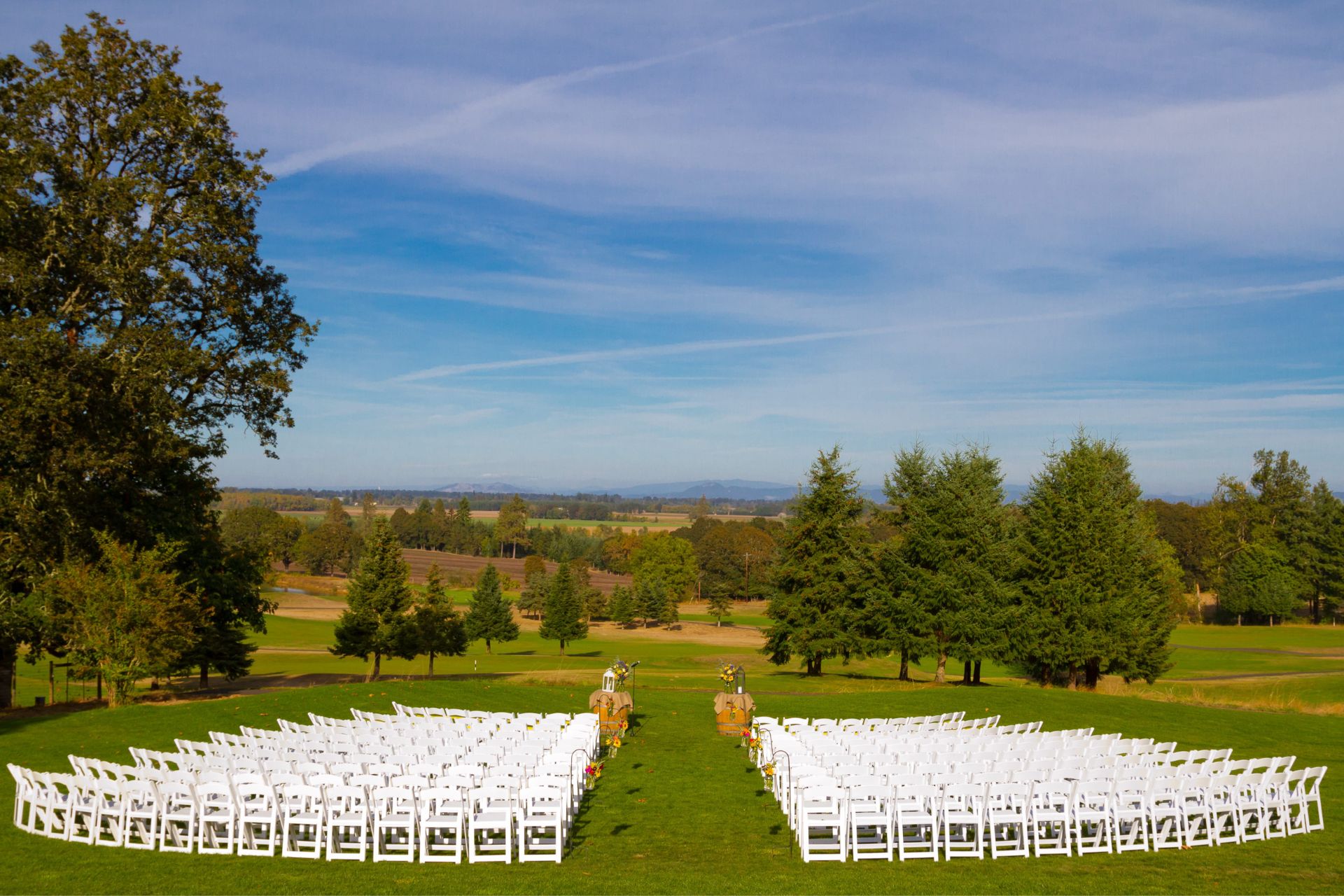
The greeting begins well before the reception. If you can, make a conscious effort to acknowledge guests as they arrive at the ceremony. This doesn’t mean abandoning pre-ceremony traditions, but even a quick smile, wave, or brief hello can go a long way.
If you’re keeping things traditional and won’t see guests beforehand, consider appointing close family members or your wedding party to act as informal hosts. Their role is simple: welcome guests, help them feel comfortable, and set a friendly tone from the outset.
The Receiving Line: Classic for a Reason
The receiving line sometimes gets dismissed as old-fashioned, but it remains one of the most effective ways to greet every guest.
Positioned just after the ceremony or as guests enter the reception, it allows you to personally thank each person for coming. Keep it moving, this isn’t the moment for long conversations, but make eye contact, smile, and say something genuine.
If you’re worried about timing, a shortened version works just as well. Even greeting guests table-by-table later in the evening can achieve the same effect in a more relaxed way.
Make It Personal (Without the Pressure)
You don’t need to have a deep conversation with every guest, but you should aim to make each interaction feel personal.
Use names where possible. A simple “It means so much you’re here” or “We’re so glad you made the trip” feels far more meaningful than a generic thank you. If you know something specific, how far they’ve travelled, their connection to you, acknowledge it.
That said, don’t put pressure on yourself to be perfect. Guests understand the day is busy. Warmth matters more than words.
Divide and Conquer
One of the biggest mistakes couples make is sticking together all night and unintentionally missing people.
It’s okay, encouraged, even, to split up for part of the reception. Circulate separately for a while to cover more ground, then come back together for key moments. This ensures more guests get a meaningful interaction rather than a rushed hello.
Timing Is Everything
Plan when and how you’ll greet guests so it doesn’t become overwhelming.
Good opportunities include:
- During cocktail hour
- Between courses at the reception
- After speeches
- On the dance floor (a quick chat counts!)
Trying to do it all at once can feel rushed and exhausting. Spacing it out keeps interactions more natural and enjoyable.
Be Present, Not Perfect
It’s easy to get caught up in logistics, timelines, vendors, and the next item on the schedule. But when you’re greeting guests, pause and be fully present.
Put the phone down. Make eye contact. Listen. Even a 20-second interaction can feel meaningful if you’re genuinely engaged.
Guests won’t remember whether everything ran exactly on time, but they will remember how you made them feel.
Don’t Forget the Quiet Guests
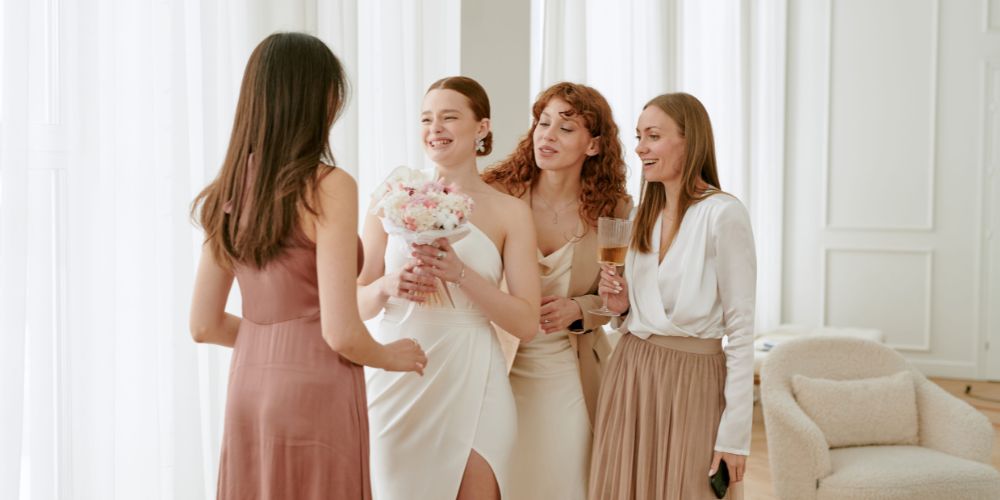
At every wedding, there are guests who hang back, the ones who don’t push forward to say hello. Make an effort to seek them out.
A quick visit to their table or a short chat can mean a lot, especially for older relatives or guests who may not know many others. These small moments often leave the biggest impression.
End on a High Note
If you can, say goodbye as well as hello.
Whether it’s a formal send-off or casual farewells on the dance floor, acknowledging guests as they leave adds a thoughtful finishing touch. It reinforces your appreciation and gives your celebration a sense of closure.
The Takeaway
There’s no single “correct” way to greet your wedding guests, but the best approach is always the same: be warm, be genuine, and be intentional.
You don’t need long conversations or perfect words. A smile, a thank you, and a moment of real connection are more than enough to make your guests feel valued, and that’s what they’ll remember long after the day is over.