Propose with posture
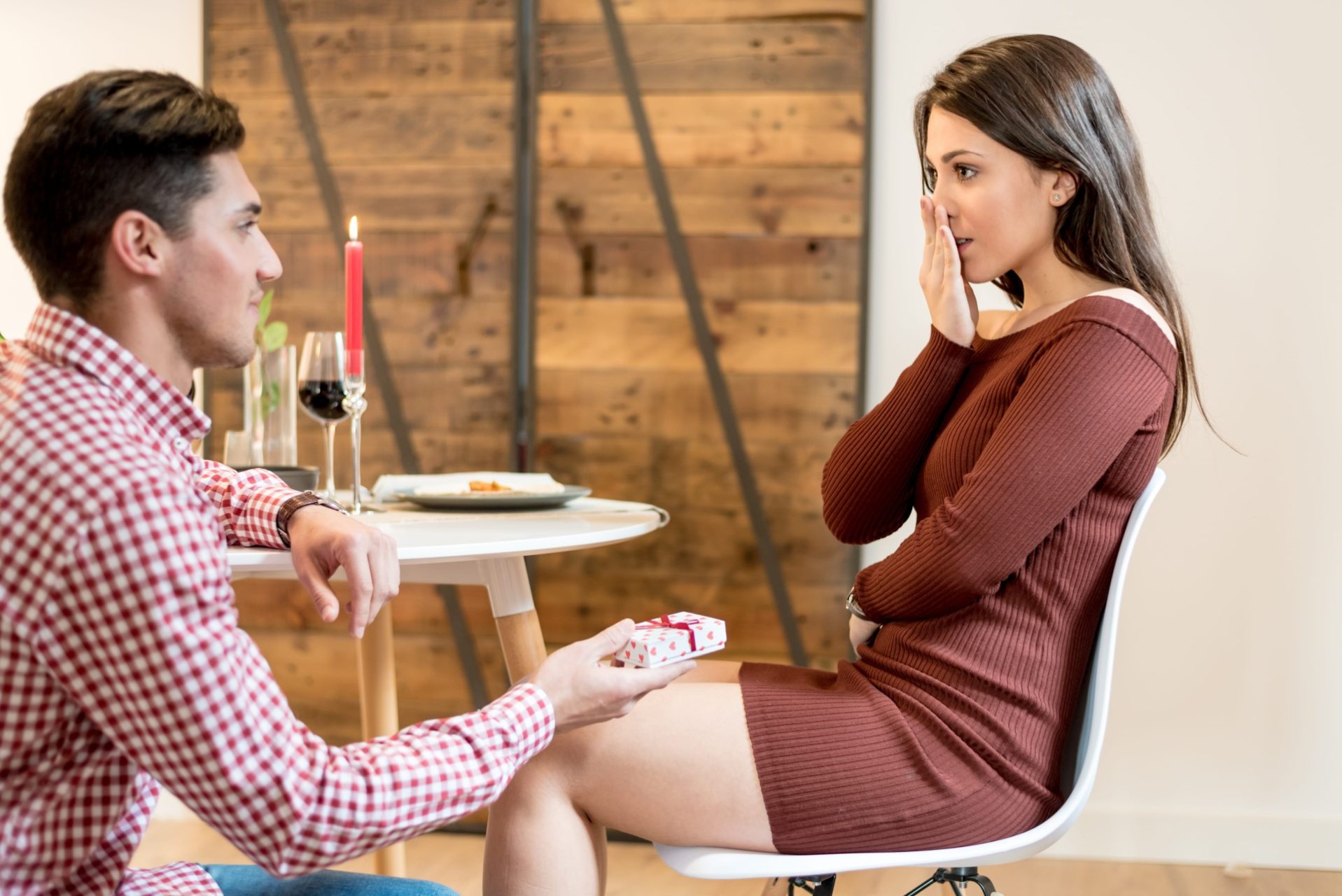
When people think about proposing, they usually focus on the ring, the location, or the words they’re going to say. But there’s another detail that shapes the moment just as much: posture.
TikTok has gone wild with the rules of getting down on one knee: how to stand, when to kneel, where to place your hands, even how long you should pause before speaking. Some of it is harmless content creation, but it’s also created a strange layer of pressure around something that’s supposed to feel personal.
In reality, most proposals don’t fail or succeed because of posture. But posture does affect how the moment feels in real time. A hunched stance, restless movement, or rushed body language can add tension to an already emotional situation.
On the other hand, a steady, open posture helps slow everything down. It creates a sense that the moment has weight. That’s what people really mean when they talk about confidence, baby.
There’s a reason the one-knee proposal stuck around. It’s not just tradition or aesthetics. It changes the moment. You stop, you lower yourself, eye level shifts, everything slows down. It turns a normal interaction into something that feels marked. Intentional. This matters now.
And it doesn’t need to be rehearsed to work. In fact, the more it’s overthought, the worse it usually feels. The best proposals aren’t choreographed down to every movement, they’re just held together by someone staying present long enough not to rush it. Posture is really just that: not fidgeting your way out of a moment that’s meant to be felt.
Even if you don’t kneel, the same idea still applies. Posture is what creates that shift. Facing your partner properly. Not half-turned away, not already moving on to the next thing. Just still enough that it’s obvious this is it.
Nerves are usually what throw it off. Fidgeting. Shifting weight. Rushing the words out just to get it done. It’s normal, but it speeds everything up when you don’t want it to. Posture slows it back down. Feet planted. Shoulders loose. A breath before you speak. Nothing staged, just enough stillness that you’re not being pulled around by nerves.
A lot of people try to look confident. That’s where it goes wrong. It often turns stiff or forced. Real presence is simpler. You’re just steady. Not performing it. And that’s what sticks later. Not the exact wording or the angle of the moment, but how it felt. Whether it felt steady or rushed. Real or scrambled.