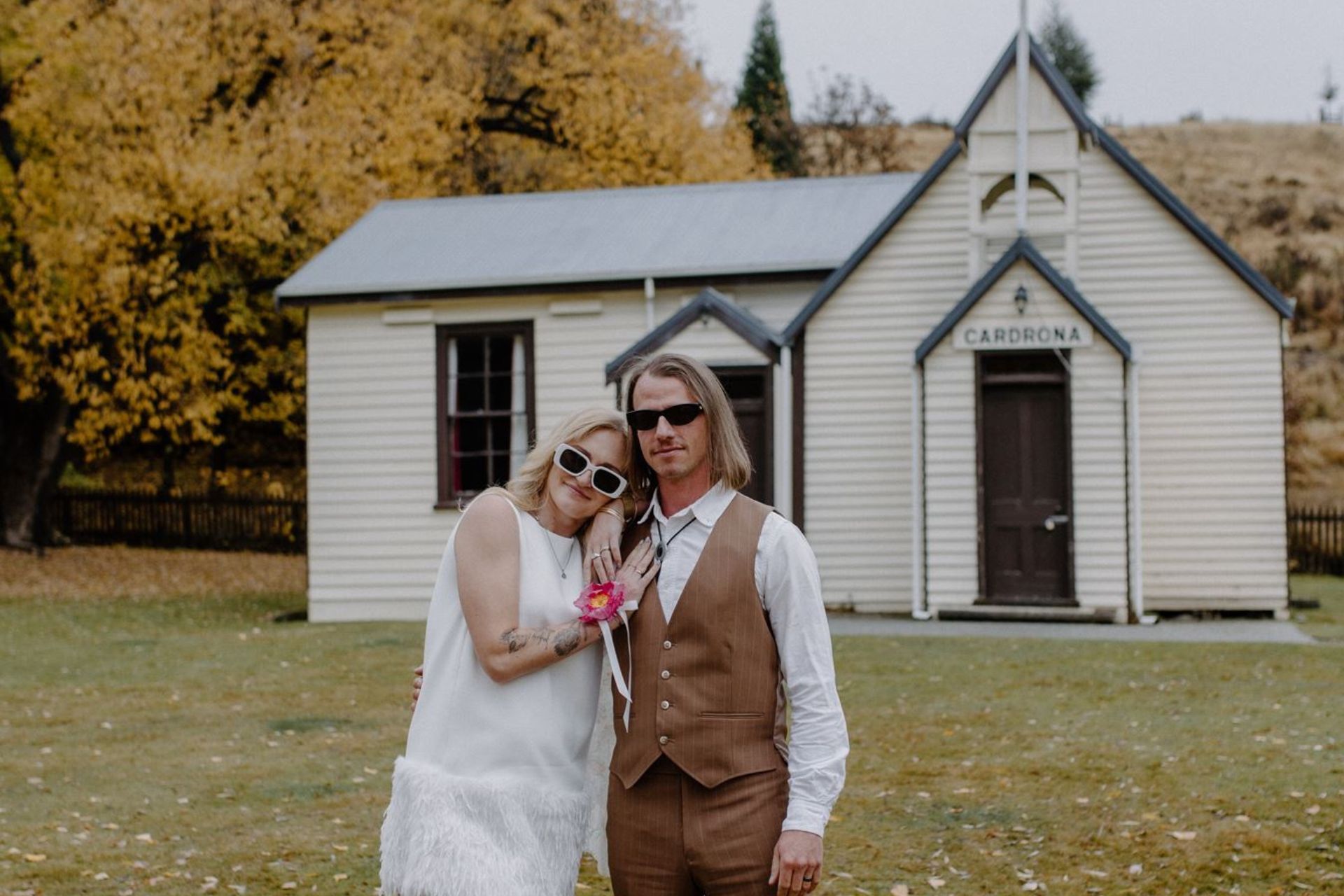
Is a destination wedding too much to ask of your guests?
You’ve found the place. A villa in Bali, a beach in Rarotonga or a lodge at the bottom of the South Island. Then the guilt kicks in, and you start working out what it will cost the people you love to get there.
That feeling is a kind one. It also doesn’t have to stop you. With honest communication and plenty of notice, a destination wedding can feel like a holiday your guests are glad they took.
The key is to think about the trip from your guests’ side. What will it cost, how much leave will they need, and what can you do to make it easier?
Who pays for what
The usual expectation is that guests cover their own travel. The Emily Post Institute, the American etiquette authority, says out-of-town guests are expected to pay for their own lodging, unless they’re in the wedding party.
Emily Post’s traditional split has the wedding party paying for their outfits and travel, with the couple’s families covering their accommodation. You can choose differently, of course, but deciding early saves awkward conversations later.
If you’re asking your bridal party to travel, have that conversation before you ask them to stand with you. Telling them what’s covered and what isn’t lets them say yes with their eyes open.
You might also want to help in smaller ways. Securing a group rate, arranging transport from the airport or hosting a welcome dinner all reduce what guests spend once they’re there.
Some couples cover one shared meal or activity for everyone, such as a beach barbecue or a boat trip. It’s a lovely thank-you, and it gives guests a chance to spend time with you outside the wedding itself.
Give people time and the full picture
Paperlust suggests sending save-the-dates 12 months ahead for an international destination wedding. That gives guests time to save, book leave and watch for flight deals.
Be upfront about likely costs. A wedding website with accommodation options at different price points, rough travel times and what’s included at the wedding helps people decide with confidence.
Include the practical details too. Passport validity, any entry requirements, the weather to expect and what to pack all help guests plan, especially those who don’t travel often.
It also helps to be clear about gifts. Emily Post says that when a couple states their guests’ presence is their present, it’s okay for guests to take them at their word, or send a gift if they’d like to.
Emily Post also says guests spending a lot to attend might choose a less expensive gift, or something they’ve made. If you’re happy with that, say so, and your guests will relax.
Make it okay to say no
Some people won’t be able to come, because of money, leave, health or young children. That isn’t a reflection of how much they love you.
Tell people early that you understand, and mean it. Something as simple as “we know this is a big ask, and we’d love to see you if you can make it” lets guests decline without guilt.
Try not to take a no personally, even from someone close. A friend saving for a house or a parent with a new baby might find it hard to say, so make it easy for them.
You might plan something for those who stay home, such as a livestream or a casual party after you’re back. That way everyone gets to celebrate with you.
And give yourselves permission to enjoy it. You chose this place because it means something to you, and that’s a good reason to have your wedding there.
The people who do come will have chosen to be there, and that makes the day feel even more special. Smaller, warmer and full of people who’ve travelled the world for you.