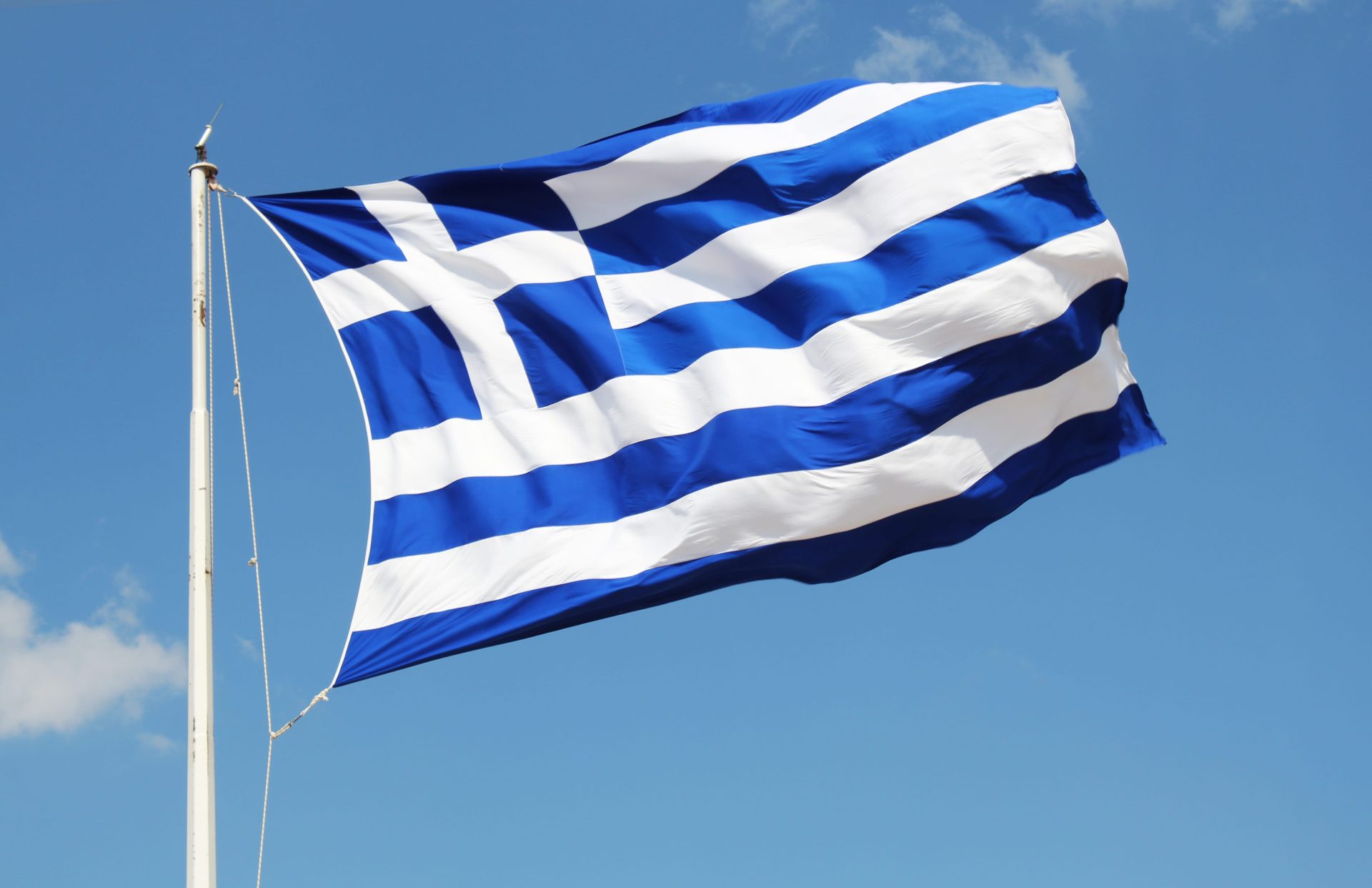
Greece moves to ban social media for under-15s
Greece has announced plans to ban access to social media for children under the age of 15, with the policy expected to take effect from 1 January 2027. The decision, led by Prime Minister Kyriakos Mitsotakis, is part of a wider effort to address growing concerns about the impact of digital platforms on young people’s wellbeing.
Reasons behind the proposed ban
The move is largely driven by concerns about the mental and physical effects of prolonged social media use among children. Greek officials have cited rising levels of anxiety, sleep disruption, and addictive behaviours linked to time spent on digital platforms.
There are also concerns around cyberbullying and the design of social media apps, which are often described as highly engaging or addictive. Reports indicate that many children are exposed to social media at a young age, intensifying worries about developmental and psychological impacts.
How the ban would work
The policy would prohibit children under 15 from accessing major social media platforms such as Facebook, Instagram, TikTok, and Snapchat.
Enforcement is expected to rely on age-verification systems aligned with European Union regulations, particularly the Digital Services Act. Platforms that fail to comply could face significant penalties, potentially including fines based on global revenue.
Greece has already introduced related measures, including banning mobile phones in schools and implementing parental control tools designed to limit screen time.
Public and political support
The proposal appears to have strong backing within Greece. Polling suggests that around 80% of the population supports restricting social media access for children under 15.
The policy has been framed as a response to widespread parental concern and growing awareness of the risks associated with early and extensive social media use.
Part of a wider global trend
Greece’s decision reflects a broader international move toward stricter regulation of children’s access to social media. Countries including Australia have already implemented similar restrictions, while others, such as the United Kingdom, France, and Spain, are considering comparable measures.
At a European level, Greece is also pushing for a coordinated approach, calling for a unified digital age limit and consistent enforcement mechanisms across the European Union.
Ongoing challenges and debate
Despite strong support, questions still remain about how effectively such a ban can be enforced. Age verification systems are still developing, and there are concerns about whether children may find ways to bypass restrictions.
There is also an ongoing debate internationally about whether outright bans are the most effective solution or whether education, parental involvement, and platform design changes should play a larger role in addressing the issue.
The proposed ban shows a shift in how governments are approaching young people’s access to social media. By moving towards a nationwide restriction, Greece is setting a clear precedent that could shape future policy decisions across Europe.