Is it wrong to propose in public?
A stranger kneels on the stadium’s big screen, ring in hand, crowd erupting. Some swoon, others cringe, but these public declarations of love are now part of our collective understanding of modern romance.
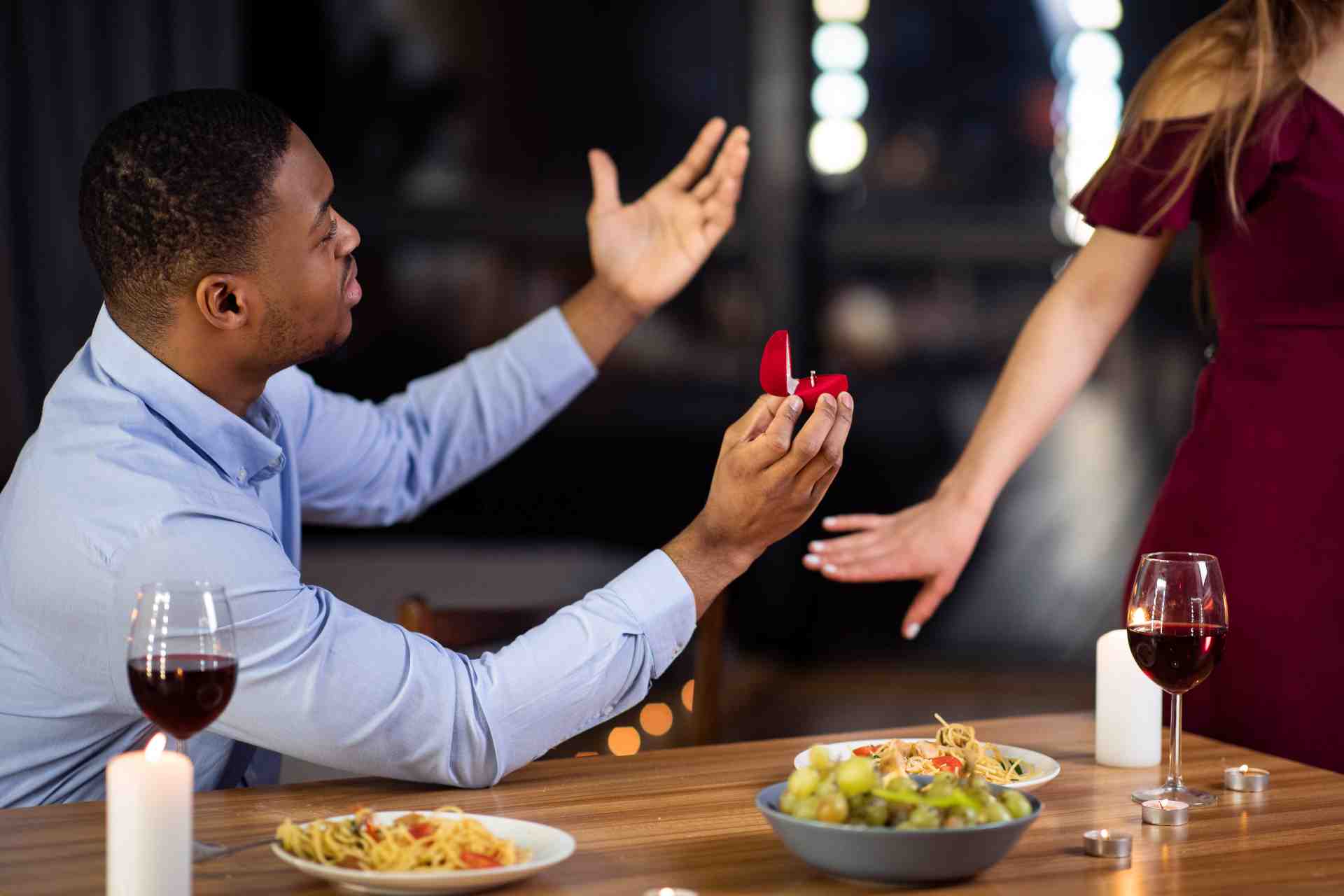
It begs the question: is the public proposal a heartfelt confession or just a viral spectacle? It’s one of the most intimate questions of your life, so should it have an audience? Is it wrong to propose in public?
Public declarations of love aren’t new. Courtship rituals across cultures have often required some degree of public approval. In medieval Europe, knights recited poetry at court; in Victorian times, love letters circulated through communities before marriage announcements in the local paper.
Advocates for public proposals see them as love’s biggest statement. It’s the literal act of shouting from the rooftops. Psychologist Dr Debra Campbell, quoted in All About Romance, describes public declarations as rituals of belonging, because they show commitment not only to each other but to the wider community.
But most surveys find people lean toward quieter, intimate proposals. Many women share online their stories and fears of being put on the spot. A 2022 Pew Research study found that 65% of respondents believe major relationship gestures should be private. Psychologist and author Dean Burnett told The Guardian that public proposals are ethically fraught because of audience pressure.
Humans are social creatures; when surrounded by watchers, we feel compelled to perform. A partner surprised in public may say yes even if uncertain, not out of love but out of fear of embarrassment, of disappointing others, of becoming a viral meme.
This effect is amplified when gender expectations are factored in. Historically, men have been cast as performers of romance while women are framed as its audience. Critics argue that public proposals can unintentionally reproduce that imbalance: one person acts, the other reacts under scrutiny.
As always, consent matters. Did the couple discuss marriage beforehand? Has the proposer explicitly asked whether their partner enjoys being the centre of attention? Are they confident the answer will be yes?
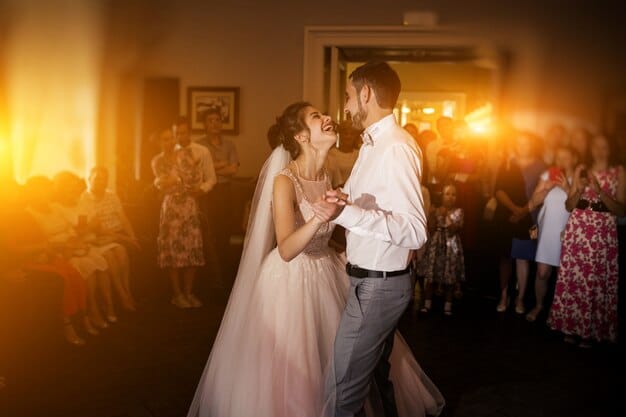
Public proposals work when they’re grounded in communication, and in a sense, this comes down to knowing your partner. If the couple has already talked about a shared future, a public setting may amplify joy rather than anxiety.
New Zealand relationship counsellors generally say there’s a cultural preference here for relational equality, so decisions that are made together, quietly, often with whānau input but minimal theatrics. But every couple is different.
There’s also a storytelling element. Engagement stories are a cornerstone of wedding culture, and couples often want theirs to stand out. Proposing during a concert, a rugby final, or a hot‑air balloon ride offers built‑in drama and photographic spectacle. Social media adds another layer: engagement posts are among the most‑liked categories on Instagram, second only to baby announcements.
Couples announce pregnancies through drone videos, mark anniversaries with choreographed TikToks, and livestream their weddings. Some sociologists call this phenomenon relationship performativity, meaning we shape love to fit social visibility.
The danger isn’t the public act itself but the motive behind it. Is it an authentic expression of affection, or an attempt to craft a viral moment? Should this intimacy be a performance?
In contrast, the rising social media trend of public proposals has seen other couples rebel and turn to even more private gestures than a proposal in a park, as one example, that the public might stumble upon. Think handwritten letters, backyard picnics, or beach walks where no one but a passing seagull witnessed the question.
A public proposal gone awry can be emotionally damaging. Viral videos of rejected proposals sometimes attract millions of views, and with them, waves of ridicule or harassment. Even when the answer is yes, the person proposed to may feel robbed of agency or overwhelmed by the noise.
The ethical stakes climb higher when celebrities, athletes, or influencers are involved. Public relationships already live under scrutiny, and performing milestones for fans can blur authenticity.
When these relationships falter—as in the immediately-infamous case of a Norwegian Olympic medallist’s confessional just recently—grand romantic gestures suddenly read as uncomfortable theatre.
So, is it wrong to propose in public? Not inherently. Ethics depend on context, so the couple’s shared values, personalities, and expectations. For some, a beach proposal surrounded by friends fits perfectly; for others, even a quiet dinner proposal might feel too performative.
If you’re considering a public proposal, then consider these questions. Have we discussed marriage, and are we both ready? Does my partner enjoy surprises or public attention? Could a public setting make them feel pressured? Am I doing this for the crowd or for us? What kind of memory do I want this to be?