Is a wedding in Rarotonga, Fiji or Samoa legally binding?
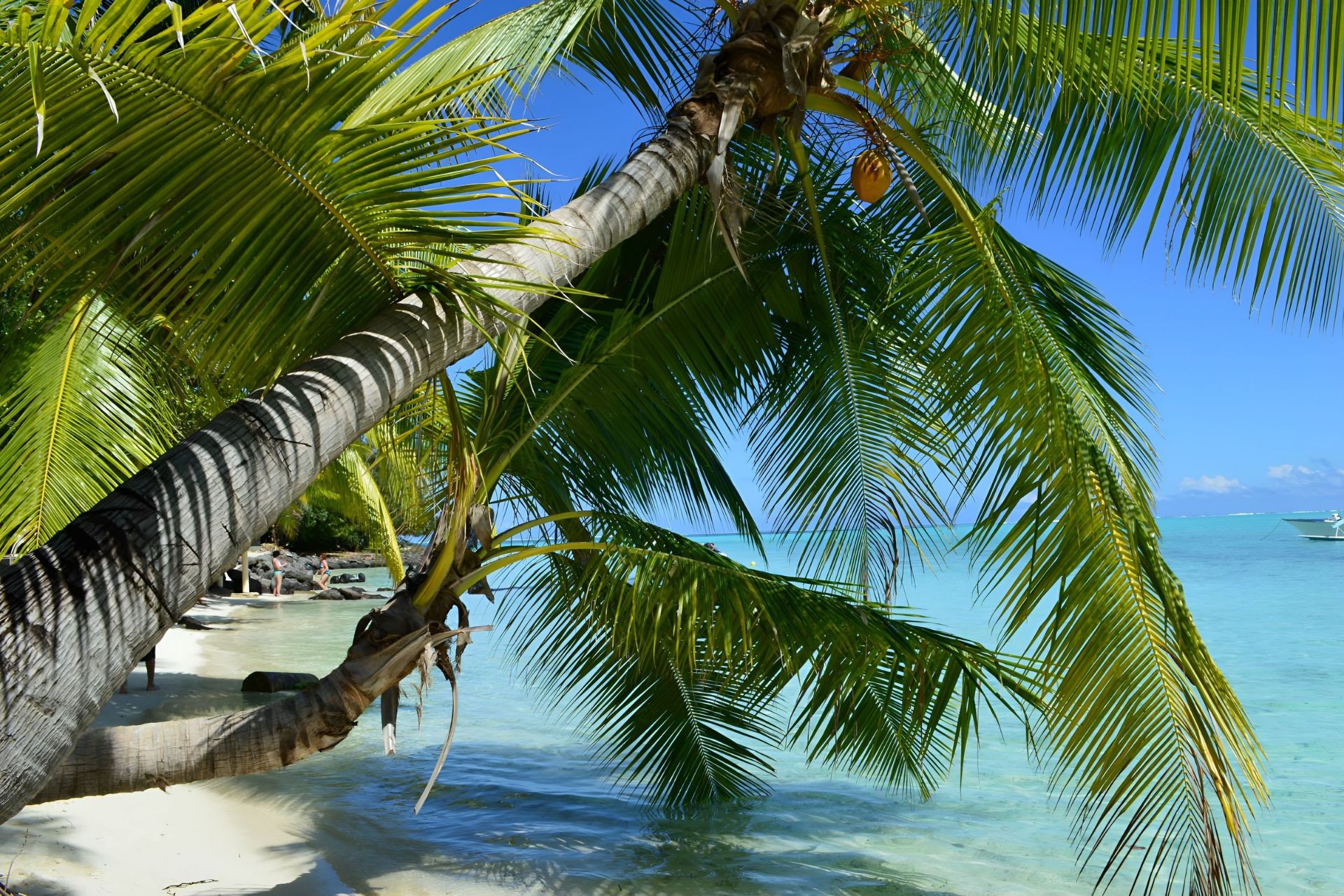
Bare feet in warm sand, a lagoon behind you and everyone you love in island shirts. For a lot of Kiwi couples, the Pacific is the destination wedding that feels close to home.
The question that follows is usually whether it counts. The short answer is yes, it can. Govt.nz says most overseas marriages are valid in New Zealand, and your marriage is registered in the country where it takes place.
That means your marriage certificate comes from the country you marry in, not from New Zealand. Govt.nz says there’s no legal requirement to register an overseas marriage here, and it can only be registered in New Zealand if an officer from a New Zealand embassy or high commission attends the ceremony.
Each island nation has its own process, and some couples choose to do the legal part at home instead. Here’s how it works.
The Cook Islands
The Cook Islands Ministry of Justice says you both need to give notice of your marriage in person at the Ministry, with your birth certificates, passports, and divorce papers or a death certificate if either of you was married before. The licence can’t be issued until three days after notice, unless you’re granted a waiver, and it lasts three months.
That means arriving in Rarotonga a few days before the wedding and visiting the ministry together. It’s a good excuse to arrive early, settle in and shake off the travel.
You both need to be at least 16, and the ministry says anyone under 21 needs parental consent. The ministry lists the licence at $100, a waiver at $75 and a marriage certificate at $25, and the Cook Islands uses the New Zealand dollar.
A celebrant or minister registered with the ministry marries you, with two witnesses. If you’d rather keep it simple, the Registrar of Marriages can marry you at the ministry, which it lists at $100 during normal hours.
The Cook Islands Marriage Act 1973 doesn’t allow marriage between two people of the same gender. Same-sex couples who love Rarotonga can marry legally in New Zealand and celebrate there.
Getting there is easy for Kiwis. The Cook Islands tourism site says New Zealand passport holders get a 90-day stay on arrival, and passports need to be valid for at least six months beyond your stay.
Fiji and Samoa
Guidance from Fiji’s embassy in Washington DC, published on Fiji’s foreign affairs website, says the standard process means a notice at a registry for 21 days. A special licence can waive that wait in special circumstances, such as visitors in Fiji for a short stay.
You’ll need passports, two witnesses aged 21 or over, and proof you’re free to marry. For New Zealanders, that’s a certificate of no impediment. The base fee is $180, and govt.nz says to allow three to five weeks for it to arrive.
As part of that application, Births, Deaths and Marriages contacts a parent, relative or friend you nominate, to confirm they know of no reason you can’t marry. Let them know to expect the call.
If you’re marrying at a garden or hotel rather than the registry, the Fiji guidance says to arrange your marriage celebrant two weeks before the wedding. Afterwards, the original certificate goes to the Registrar General’s office in Suva within seven days.
The Samoa Tourism Authority says to apply for a marriage licence through the Justice Department in Apia at least 10 days before the wedding, and no more than three months ahead. You can arrange it by email or phone.
If you’d like an outdoor spot outside a resort in Samoa, you’ll also need permission from the nearest village. Samoa’s Bureau of Statistics says a licensed marriage officer, such as a minister, registrar or appointed celebrant, marries you, and the marriage must be registered within 14 days.
In all three countries, cyclone season runs from November to April, according to SafeTravel. It’s worth a look before you set your date.
The legal bit at home, the party in paradise
Some couples skip the overseas paperwork altogether. They marry legally in New Zealand with a celebrant and two witnesses, sometimes in a small registry ceremony, then hold a symbolic ceremony in the islands.
It means no documents to gather from a distance, no notice periods to fit around, and the same freedom to write your own vows on the beach. Govt.nz does say you can’t present a later celebration as your legal wedding, so keep the wording honest on the invitations.
A symbolic ceremony can still be every bit as moving. You can exchange rings, read your vows and have someone you love lead it, without anyone watching the clock for the legal words.
Whichever way you go, check the rules with the country’s own officials before you book, because processes and fees can change. Then the lagoon, the flowers and the sunset are all yours.