What Does ‘Plus-One’ Mean in Wedding Etiquette?
According to etiquette experts, married couples, engaged partners, and guests who live together typically receive a plus-one as a matter of course. This reflects a general rule that those in established relationships should be invited together, even if the couple hosting the wedding hasn’t met the partner yet.
Who Should Get a Plus-One, and Who Might Not
Deciding who deserves a plus-one can be tricky. It’s natural to want your guests to feel comfortable and enjoy themselves, but weddings also come with a budget and space constraints. Couples are increasingly turning to criteria that feel fair and consistent for everyone on the guest list.
For example, members of the bridal party almost always receive a plus-one, regardless of the length of their relationships. This is seen as a courtesy and a small token of appreciation for their support throughout the planning process.
Outside of the wedding party, many couples focus on the nature of the relationship when deciding on plus-ones. People in serious, established partnerships are more likely to receive a plus-one than those in newer or casual relationships. This approach helps avoid hurt feelings while also keeping the guest list manageable and meaningful.
Clarity Is Key: How Invitations Should Reflect Plus-One Status
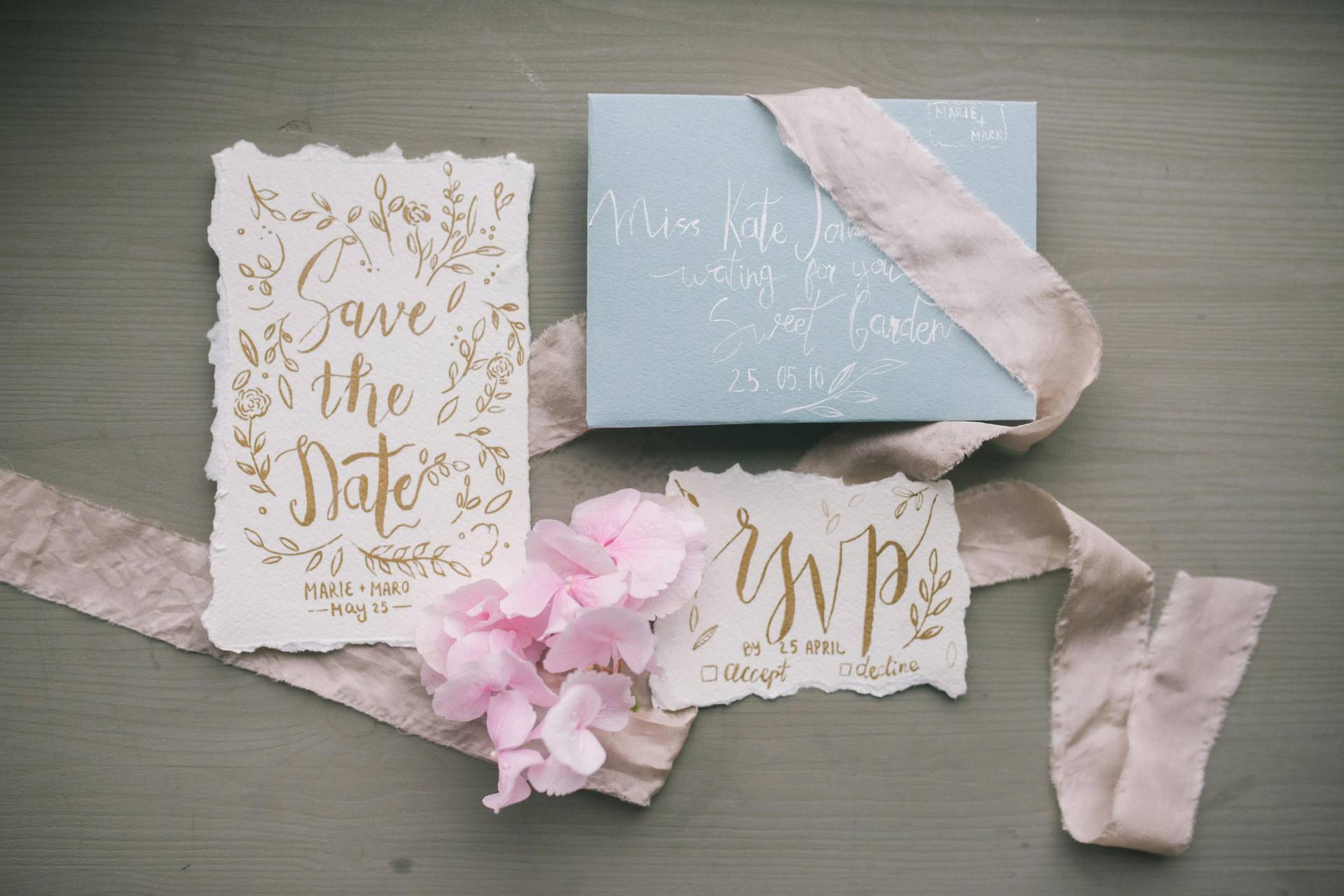
One of the most important aspects of plus-one etiquette is clear communication. The way an invitation is worded sends a strong message about whether a guest is allowed to bring someone. Traditional wedding invitations sometimes use inner and outer envelopes to indicate guests and their companions, but with modern digital invitations and simpler designers, it is more important than ever to be clear.
If a guest is welcome to bring someone, their invitation should clearly say “and guest” or list both names. On the other hand, if no plus-one is included, inviting only the individual by name helps avoid confusion and awkward follow-up questions. This transparency saves everyone from guessing games and stressed phone calls closer to the wedding day.
Handling Plus-One Requests With Grace
It’s not uncommon for guests to ask whether they can bring a plus-one, especially if their relationship status has recently changed. Experts recommend that couples approach these conversations with kindness and honesty. If space or budget doesn’t allow for additional plus-ones, a warm explanation along the lines of “We’re keeping this celebration very intimate” can help soften the disappointment.
For guests, it is equally important to respect the couple’s choices. Etiquette pros strongly advise against assuming you’ll be bringing a date if it’s not already specified in the invitation. Asking politely is always better than showing up with an uninvited guest.
Seating and Guest Comfort
Plus-one decisions go beyond the invitations to the guest experience itself. Once the guest list is set, couples often put thoughtful effort into seating arrangements to make sure that solo attendees don’t feel awkward and that plus-ones fit comfortably into the celebration. This might mean seating singles with friendly groups or placing couples in settings that encourage conversation.
A well-planned seating chart can help everyone feel included, whether they came solo or with a date. It’s one more way thoughtful etiquette contributes to a warm, connected atmosphere on the big day.
Etiquette and Empathy
Plus-one etiquette is less about rigid rules and more about empathy, respect, and transparency. As weddings become more personal and intimate, couples are creating guest lists that reflect their values while still prioritising the comfort of their loved ones. Whether someone receives a plus-one or attends solo, clear communication and considerate planning help keep the focus where it belongs.