When kids change the entire energy of a wedding
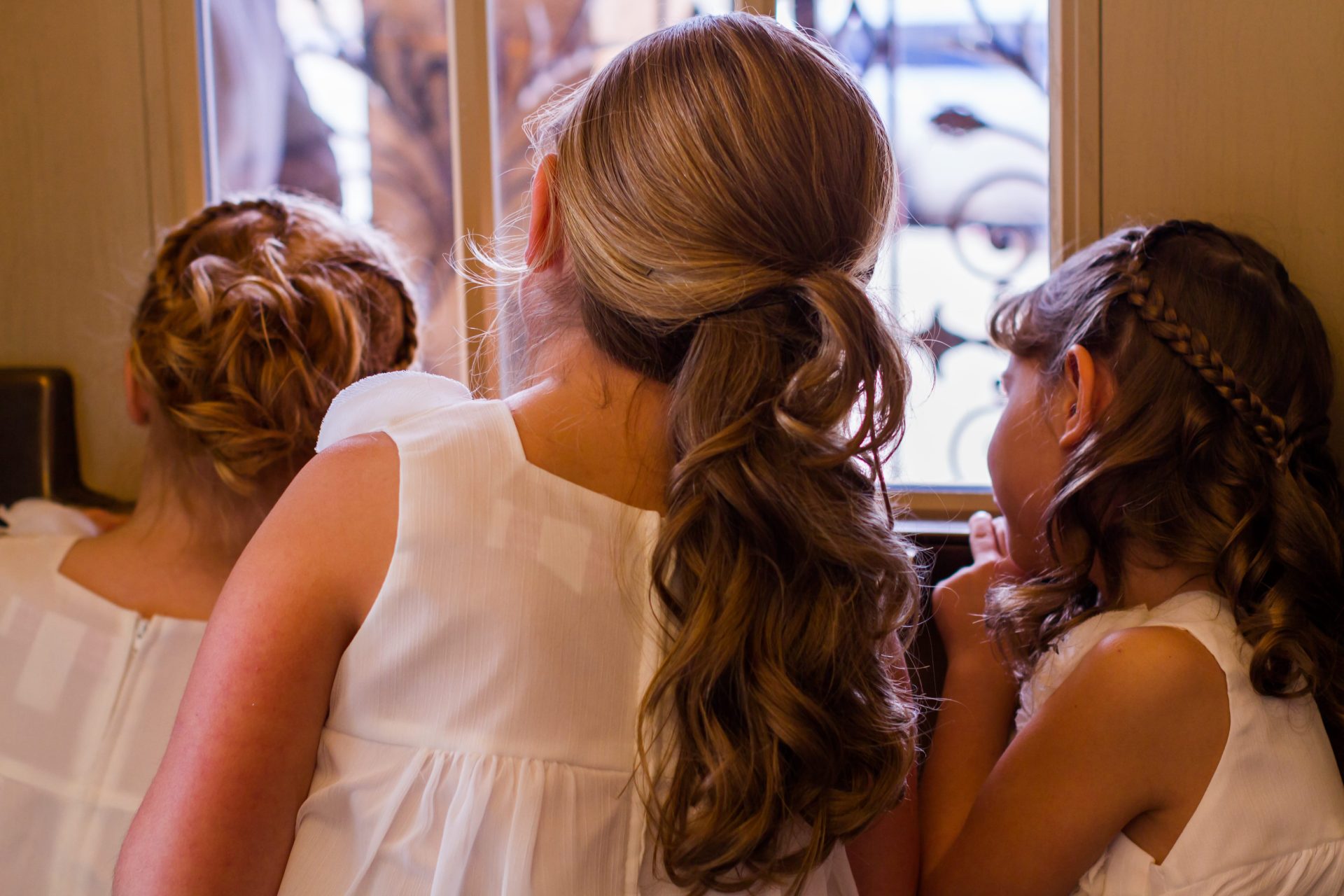
There is no right answer, but what is often underestimated is just how much children can influence the overall feel of a wedding. Not in a negative or positive way necessarily, but in a way that shifts the energy completely.
Because they do.
A different kind of atmosphere
The presence of children changes the tone of a wedding almost immediately. There is a lightness to it, something a little less formal and a bit more unpredictable.
Kids bring movement, noise, and spontaneity. They react in the moment, say what they are thinking, and often do their own thing regardless of what is planned.
For some couples, that creates a more relaxed and natural atmosphere. For others, it can feel like a loss of structure. It really depends on what kind of energy you want the day to have.
The ceremony feels different
Ceremonies with children tend to feel less controlled.
There might be small interruptions, whispers, or the occasional unexpected moment. A child laughing at the wrong time or getting restless partway through is not unusual.
At the same time, those moments can add a sense of reality to the ceremony. It feels less like a performance and more like a genuine gathering of people, including families in all their different forms.
It will not be perfectly quiet, but it may feel more alive.
The reception takes on a new rhythm
Once the formalities are over, children tend to shape how the reception unfolds.
They create their own pockets of activity, whether that is running around, playing together, or finding ways to entertain themselves. This can bring a sense of energy early in the evening, especially before the dance floor fills up.
At the same time, the timeline can shift slightly. Parents may leave earlier, and the overall flow of the night can feel different compared to a fully adult crowd.
It often becomes less about a late-night party and more about a shared, multi-generational experience.
It influences guest behaviour too
When children are present, adults tend to adjust as well.
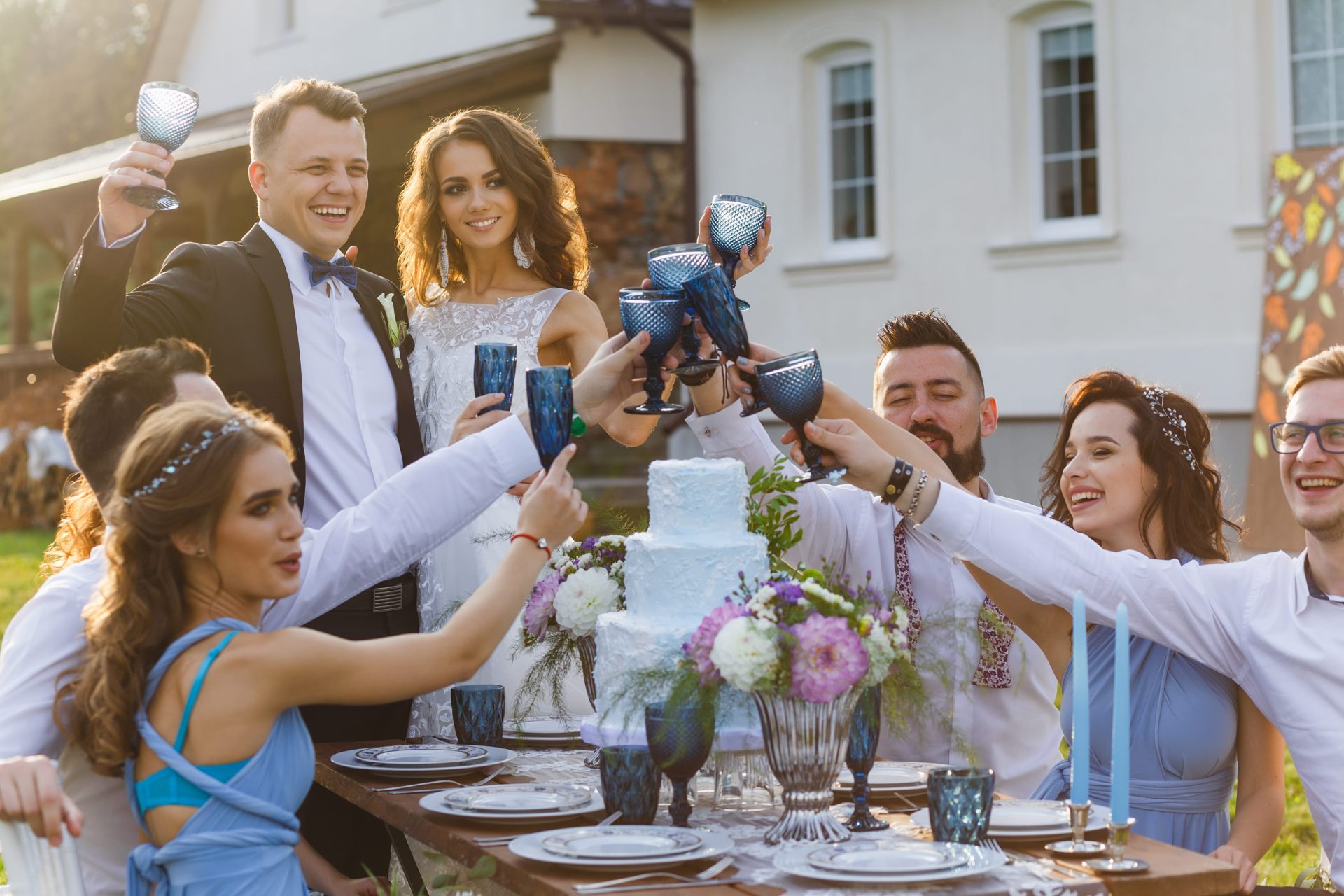
The atmosphere often becomes a bit more measured. People may drink less, conversations can feel more grounded, and the overall tone can lean more towards relaxed than high-energy.
For some weddings, that is exactly the intention. For others, it may not align with the kind of celebration they had in mind.
There is a trade-off
Having children at your wedding can add warmth, personality, and a sense of inclusiveness. It allows guests with families to fully participate without needing to make arrangements, and it can make the day feel more reflective of real life.
At the same time, it does mean giving up a level of control. The day may not run exactly to plan, and certain moments may feel less polished.
That trade-off is where the decision usually sits.
It comes down to the experience you want
The question is less about whether children should be at a wedding and more about what kind of experience you are trying to create.
If you imagine a lively, slightly unpredictable day with a mix of ages and energy levels, including children, can add to that.
If you are picturing something more structured, formal, or late-night focused, it may feel different from what you expected.
Neither option is better. They are just different.
It is not all or nothing
Some couples find a middle ground.
That might mean inviting children to the ceremony but not the reception, or creating a designated space where they can play while the main event continues. Others choose to include only close family children rather than extending the invitation to everyone.
These kinds of decisions can help shape the energy without fully committing to one direction.
Weddings are made up of the people in the room, and children are a very distinct part of that.
They bring a different pace, a different tone, and a different kind of presence. Whether that enhances or shifts the day depends entirely on what you want your wedding to feel like.
The important thing is knowing that their impact is not small. It is something you will notice, and something worth choosing intentionally.