How do you get wedding guests home safely from a rural venue?
A farm, a vineyard or a lodge at the end of a gravel road makes a beautiful setting for a wedding. The tricky part comes at the end of the night, when the nearest taxi might be an hour away and the rideshare app shows nothing nearby.
Getting everyone home is one of the quieter parts of hosting, and a little planning early on takes care of most of it. Here are some options to mix and match for your venue and your crowd.
Know the limits, and the morning after
In New Zealand, drivers aged 20 and over can’t drive with more than 250 micrograms of alcohol per litre of breath, or more than 50 milligrams per 100 millilitres of blood, according to NZ Transport Agency Waka Kotahi (NZTA). For drivers under 20, the limit is zero, so even one drink can lead to a drink-driving charge. That’s worth knowing if a younger cousin has offered to drive.
NZTA says it’s hard to know how many drinks will take someone over the limit, because it depends on things like their size and how much they’ve eaten. Its advice is simple. If you drink at all, don’t drive.
The morning after counts too. NZ Police have warned that alcohol can stay in the body much longer than people realise, after two drivers stopped one morning in Southland blew over the limit from drinking the night before.
Coffee, a cold shower or a good night’s sleep won’t speed things up, said Constable Mike Ryder. “Time is the only factor that reduces alcohol levels.” A late brunch at the venue, or a relaxed check-out time, gives guests a slower start before anyone gets behind the wheel.
Shuttles, sober drivers and beds on site
A shuttle or small coach is often the simplest answer for a rural wedding. Once your venue and timings are set, book early and ask about late pick-ups and more than one run, so guests who want an early night can leave when they’re ready. A pick-up point in the nearest town, or at the main accommodation, keeps things easy for everyone.
If your venue has rooms, cottages or space for campervans, sleeping on site takes the travel question away altogether. Another option is to block-book nearby accommodation and run the shuttle between there and the venue.
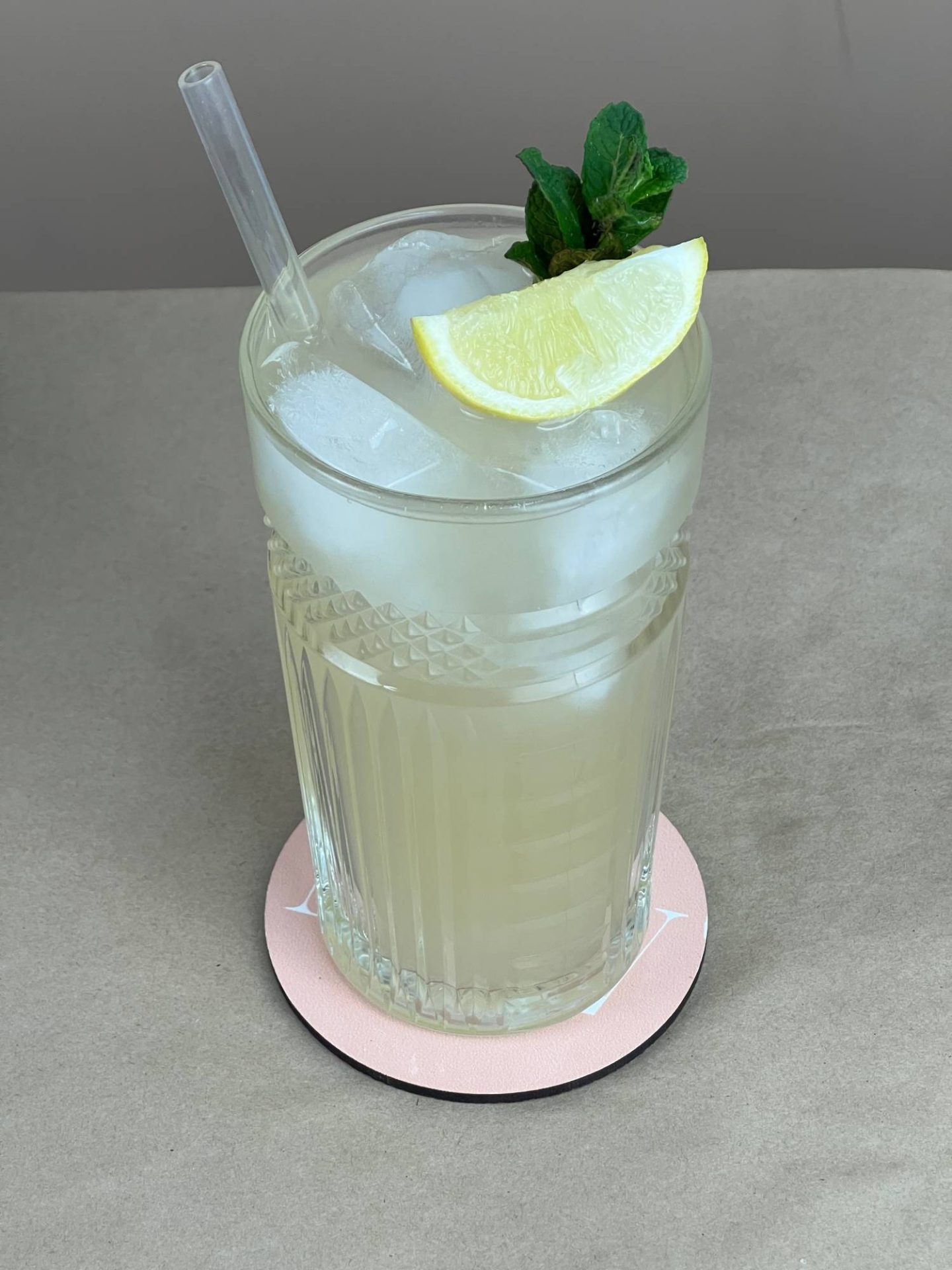
Designated drivers are a great help, and they deserve looking after. Have good alcohol-free drinks on hand for them, something more interesting than water and fizzy. A small thank-you, like a fuel voucher, a treat to take home or a mention in the speeches, shows them how much you appreciated it.
Hosting the bar, and when to call last drinks
The Health Promotion Agency’s SAFELY checklist, written for workplace events, covers responsible service, alternatives to alcohol, substantial food, preventing excess, organising lifts and looking after young people. It suggests offering appealing non-alcoholic drinks beyond juice and water for the whole event, and serving plenty of substantial food from the start. It also advises skipping salty snacks, which can make people thirsty.
The agency recommends setting an end time and sticking to it. It notes that when the host stops paying for drinks at a set time, drinking slows down. At a wedding, you might close the bar tab a little before the last shuttle and bring out coffee and late-night snacks.
If guests will be paying for their own drinks, check the licensing side early. Waimakariri District Council says a special licence is needed when guests pay for alcohol, whether at a bar, through a ticket or with drinks built into the admission price. Applications must go in at least 20 working days before the event, and working days don’t include 20 December to 15 January, so summer weddings need extra notice.
Rules and venues vary, so your district council’s alcohol licensing team is the best place to ask about a cash bar, BYO or free drinks at your venue. If your venue already holds a licence, talk to them about how the bar will run on the night.
Sorting the ride home early means you can relax on the dance floor, knowing everyone has a way back. Then the only thing left to plan is the next morning’s brunch.