Whether to take the surname
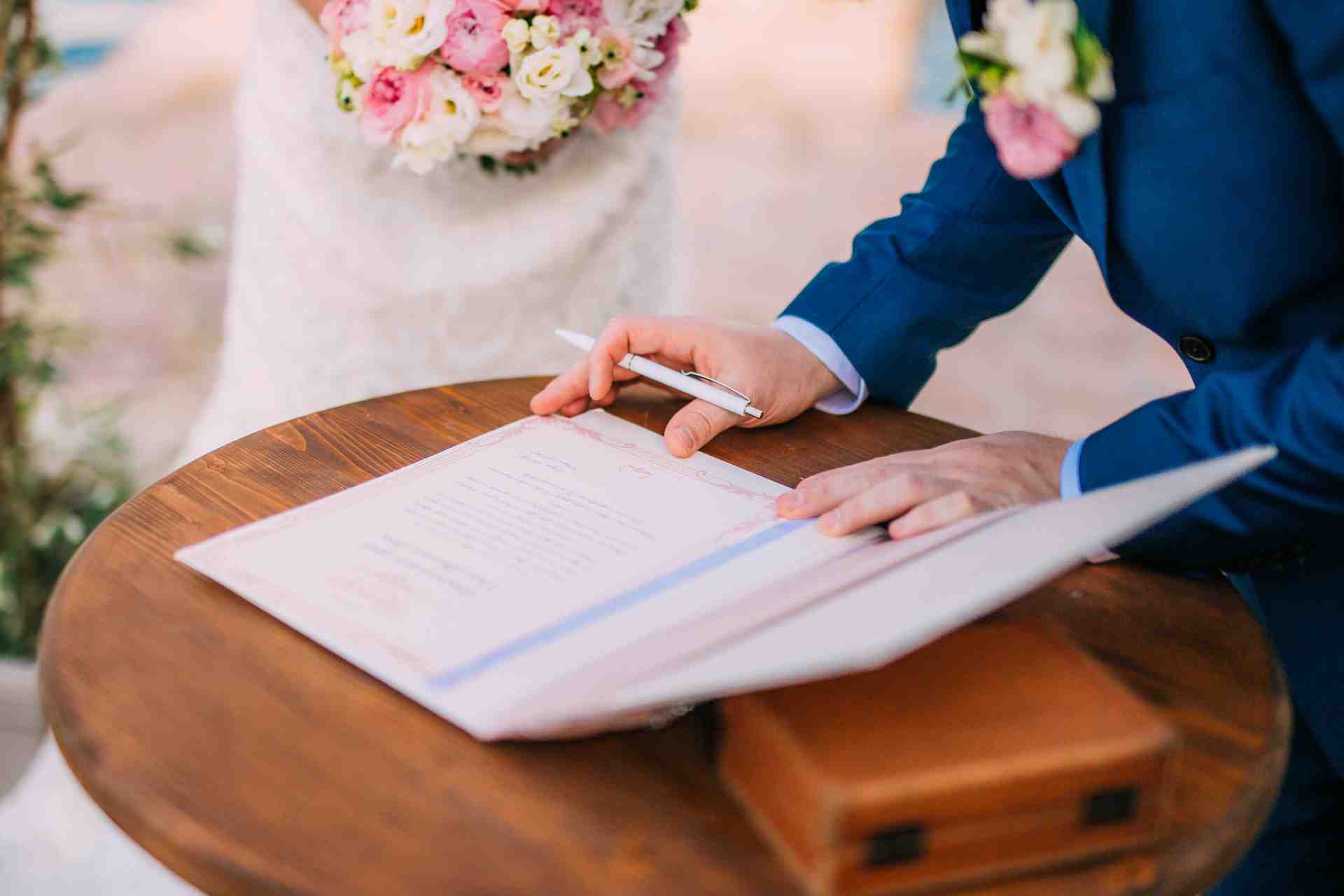
Deciding to change your last name after you get married is a life-changing decision. There are many reasons people keep or change their surnames, and today the choice isn’t so black-and-white.
Traditionally, women taking their husband’s name was a given. But modern relationships differ. And so too has the meaning attached to a name. For some, a surname is just a label. For others, it carries deep personal, cultural and emotional weight.
The anecdote that inspired this story was about a bride who changed her name from a Chinese name to Smith. She was not entirely attached to her last name and had lived in New Zealand for most of her life. But the complexity of her choice lies in how, when she started using her partner’s name on job applications, she found herself receiving more job interviews.
Names can shape how someone is perceived long before they enter a room. The fear of ‘starting over’ professionally, losing career reputation or name recognition or jeopardising your digital footprint can also impact decision-making. Someone might keep their surname to preserve cultural heritage and might experience pressure from their community to do so.
Admin, admin, admin
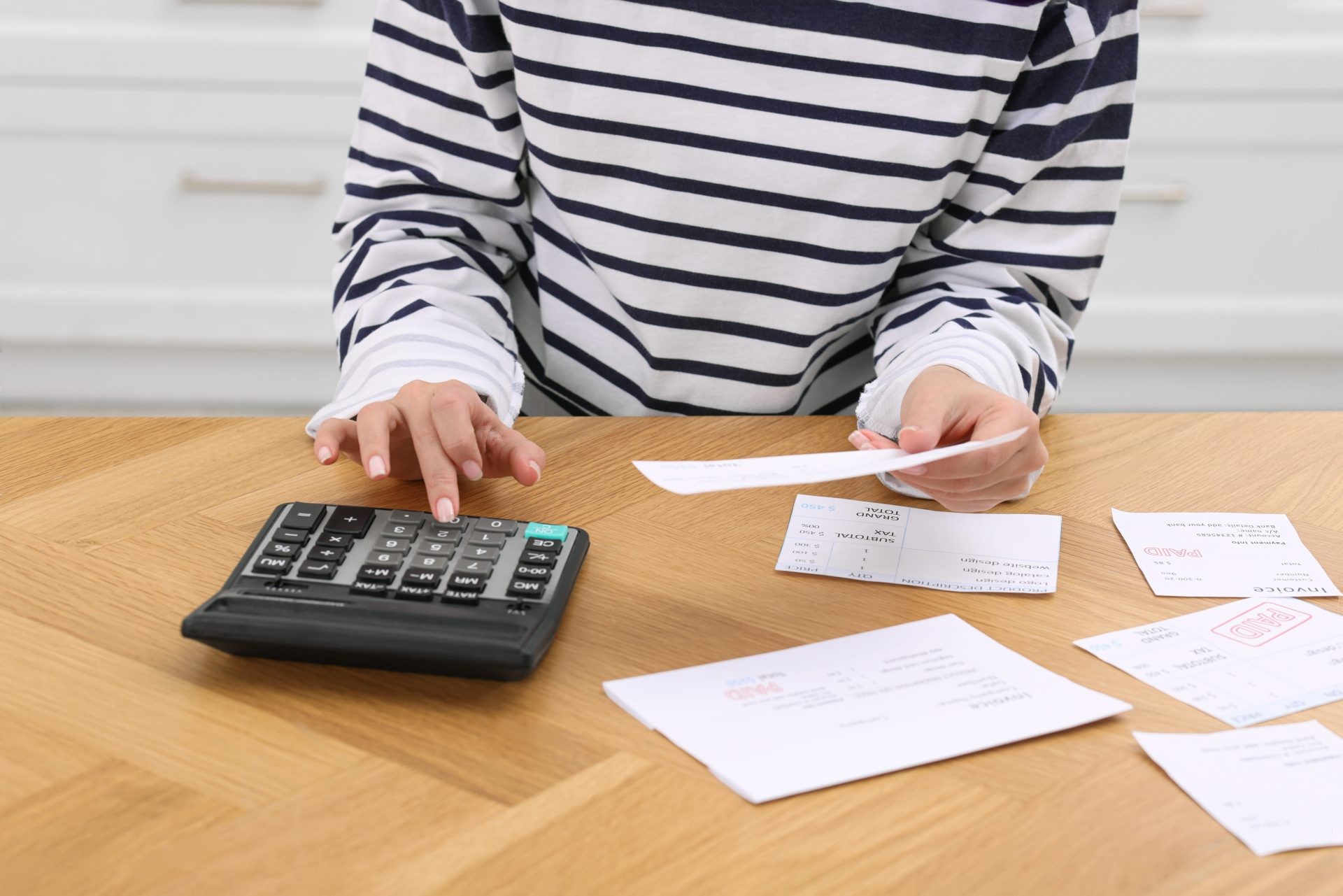
There’s also the legal and administrative burden. It’s under-discussed, but changing a name costs time, money and stress. Issues with visas, passports, overseas assets, and other mismatches can arise down the line. It can be even more complicated for people who have already changed their name.
A friend of mine plans to take her husband’s name, whatever that may be, because she resents her father. “I didn’t realise until I was older just how profound my trauma was,” she says. “When I get married, I don’t know if I will want that prick there.” Changing one’s surname can mean renewal, a new life chapter, or letting go. Tangential to this is the element of safety and privacy that comes with the choice.
Another friend who plans to take their husband’s surname is most excited to be a part of a bigger family unit. “I don’t care about tradition, but my partner’s family are all so proud of their family name. I’m looking forward to being part of that. I also want to have the same last name as my future children.” Here, the name change feels less like a sacrifice and more like an invitation.

Modern considerations
Some men take their wife’s name. Husbands might cite fairness, admiration or a stronger connection to their partner’s family. Other men might see it as a quiet rejection of gender norms. For women,
choosing not to change their last name can mean rejecting patriarchal traditions. For same-sex and non-binary couples, deciding whose name to take can feel heteronormative. Some queer couples might create a new surname altogether.
Double-barrel names are a common option for those who want to acknowledge both family lines formally. Hyphenation can feel like a great compromise. Still, it raises practical considerations such as long names, admin confusion, and the question of what happens when children with double-barrelled surnames grow up and marry.
Not everyone wants to intellectualise taking a last name. Some people just want the sentiment, the marker of a new family phase, or that shared name as emotional unity. Whether to take a surname is a personal, legal, and practical choice, but whatever decision is made is valid.